
What Sets a Tile Artisan Expert Apart
Understanding What Sets a True Tile Craftsman Apart
Not all tile work is created equal, and if you've ever walked into a beautifully tiled space that just feels right, you've experienced the difference firsthand. The grout lines run perfectly straight, the pattern flows seamlessly from wall to wall, and every cut looks intentional rather than improvised.
I've spent years perfecting my craft as a professional tile installer in Massachusetts, and I can tell you that the gap between standard tile installation and true artisan work is enormous—and it shows up in ways most homeowners don't notice until it's too late. From day one, the tiles might look similar, but five years down the road, the difference between rushed work and thoughtful craftsmanship becomes painfully obvious.
In this guide, I'm going to walk you through exactly what separates a tile artisan expert from a standard installer, and why that distinction matters tremendously for your Massachusetts home. At Trimworks Co, we approach every project with a craftsmanship-first mindset, because we know that the details you can't see during installation are often the ones that determine whether your tile work lasts five years or fifty.
What Actually Defines a Tile Artisan Expert? (It's Not What Most People Think)
Here's something that surprises most homeowners: certification and licensing don't automatically make someone an artisan. Those credentials are important and necessary, but they're just the baseline. What truly defines a tile artisan expert is the combination of technical skill, design understanding, and an almost obsessive attention to detail that transforms functional tile work into genuine craftsmanship.
The artisan mindset is fundamentally different from the standard installer approach. When I walk into a project as a tile contractor Shrewsbury Massachusetts homeowners trust, I don't see a simple layout task—I see a complex puzzle that requires custom solutions based on the specific room, materials, substrate conditions, and long-term performance expectations.
Before I touch a single tile, I'm thinking three steps ahead. I'm evaluating substrate preparation requirements, planning waterproofing strategies, and working through layout options that account for room proportions, architectural features, and how natural light will interact with the finished surface. This front-loaded planning phase is where artisan work diverges most dramatically from standard installation.
A tile artisan expert is a professional who approaches every installation with design intention, technical precision, and a commitment to long-term performance—not just completing the immediate task.
Standard installers often follow basic patterns and procedures without considering room-specific factors or potential issues down the line. They're focused on completing the job efficiently, which isn't inherently bad, but it doesn't produce the same refined results that artisan-level work delivers.
Here's an industry reality that most homeowners don't know: approximately 60% of tile failure issues stem from improper substrate preparation and inadequate planning—the exact areas where artisan-level expertise makes the biggest difference. These aren't problems you'll notice on day one, but they'll absolutely show up within the first few years through cracks, loose tiles, or water damage.
How Professional Tile Installers in Massachusetts Approach Layout and Design Differently

Layout planning is where the difference between good and exceptional tile work becomes most visible. A professional tile installer Massachusetts homeowners can truly count on doesn't just start in a corner and work across the room. Instead, there's a methodical pre-installation process that considers every visual and functional aspect of the space.
I always start by taking detailed measurements and creating mock layouts before any materials are opened. I'm thinking about sightlines—where your eye naturally falls when you enter the room. I'm considering traffic patterns, how furniture will be arranged, and how natural light will hit the finished surface at different times of day.
The Critical Importance of Symmetry and Visual Balance
Symmetry isn't just about aesthetics—it's about creating a space that feels intentionally designed rather than haphazardly assembled. When I'm planning bathroom tile installation Massachusetts projects, I always start the layout from the most visible focal point, which is usually the shower wall or the area directly facing the entry door.
Starting from a focal point and working outward ensures that you don't end up with awkward slivers of tile in the most visible locations. I've walked into countless bathrooms where the installer started in a corner, resulting in full tiles hidden behind the door and tiny, cut pieces right where everyone looks first—it's technically correct but visually awkward.
Real-world complications make layout planning even more critical. Walls are rarely perfectly square, floors are seldom completely level, and architectural quirks abound in both new construction and renovation projects. An artisan expert knows how to adjust layouts to mask these imperfections rather than highlight them.
I've measured rooms where opposite walls differed by two inches in length. A standard installer might not catch this until tiles start misaligning, but an experienced artisan identifies these issues during the planning phase and adjusts the layout to gradually compensate for the discrepancy in ways that aren't visually obvious.
Here's a practical benefit that homeowners appreciate: a well-planned layout can reduce material waste by 15-20% while simultaneously creating a more refined appearance. You're getting both cost efficiency and better aesthetics from the same planning process.
The Precision Difference: Why Cutting, Spacing, and Alignment Matter More Than You Think

When you look at truly exceptional tile work, certain quality markers immediately stand out—even if you don't consciously realize what you're seeing. Grout lines are perfectly consistent, typically within 1/32" tolerance across the entire installation. Corners meet with precision miters that look factory-made. Cuts are so clean and exact that they appear intentional rather than necessary.
Then there's lippage—the elevation difference between adjacent tiles. This is the telltale sign of rushed or inexperienced work, and it's something I obsess over eliminating completely. Even minor lippage creates edges that catch light differently, collect dirt, and can eventually lead to chipping or cracking.
Tools and Techniques That Define Artisan-Level Precision
The difference isn't just skill—it's also about using the right tools and having the patience to use them properly. I rely on laser levels for perfect alignment, tile leveling systems that ensure uniform height across large installations, and wet saws with precision guides for cuts that meet within 1/64" tolerance.
But here's the real secret: I'm willing to re-cut a tile if it doesn't meet my standards, even if it's "close enough" that most people wouldn't notice. That mindset separates artisan work from adequate work.
Grout line consistency might seem like a minor detail, but it has a massive visual impact. In kitchen tile installation Massachusetts projects involving large format tiles, even 1/16" variation in grout lines becomes glaringly obvious in natural light. The lines appear to wander or wave rather than running crisp and straight.
I've been called in to repair installations where grout lines varied from 1/8" to 1/4" within the same room. Despite using quality materials, the overall result looked unprofessional and sloppy because of inconsistent spacing. The homeowner had paid good money for premium tile, but poor installation execution undermined the entire investment.
There's also a performance aspect to precision that goes beyond aesthetics. Industry data shows that installations with poor alignment and spacing are three times more likely to experience premature grout cracking and tile failure. When tiles aren't properly supported or leveled, stress concentrates in specific areas, leading to cracks and breaks under normal use.
Material Selection: How Tile Artisan Experts Guide You Beyond What Looks Pretty

One of the most valuable services I provide as a tile artisan expert isn't the installation itself—it's the consultative guidance I offer during material selection. Choosing tile based solely on appearance is like buying a car based only on color. The aesthetic matters, but performance characteristics determine whether you'll be happy with your choice five years from now.
Material selection requires understanding porosity ratings, slip resistance coefficients, thermal expansion properties, and how different tiles perform in Massachusetts climate conditions. Our temperature swings from below zero in winter to the mid-90s in summer create expansion and contraction forces that not all tiles handle equally well.
The Consultative Approach to Material Recommendations
Before recommending specific materials, I ask detailed questions about lifestyle, maintenance preferences, foot traffic levels, and moisture exposure. A tile that's perfect for a formal living room might be a disaster in a mudroom with kids and dogs tracking in snow and salt.
Let me share some specific guidance for different applications that I've developed through years of experience:
For shower tile installation Massachusetts projects, I almost always recommend porcelain over natural stone in high-moisture areas. Porcelain's low porosity means it absorbs minimal water, reducing the risk of mold, mildew, and freeze-thaw damage. Natural stone can be beautiful, but it requires significantly more maintenance and proper sealing to perform well in wet environments.
For flooring tile installation Massachusetts applications, the PEI rating (Porcelain Enamel Institute rating) determines durability for different traffic levels. I guide homeowners toward PEI 4 or 5 ratings for high-traffic areas like kitchens and entryways, while PEI 3 might be adequate for bathrooms and bedrooms.
For kitchen backsplashes, some gorgeous glass tiles are actually terrible choices near stovetops because they can't withstand thermal stress. I've seen expensive glass tile installations crack and discolor within months because the installer didn't warn the homeowner about heat limitations.
Advanced Installation Techniques That Prevent Common Tile Failures
The techniques that separate artisan tile installation Massachusetts work from standard installation aren't always visible in the finished product, but they're absolutely critical for long-term performance. This is the behind-the-scenes work that prevents callbacks, repairs, and premature failures.
Proper substrate evaluation is where every quality installation begins. Before setting a single tile, I'm assessing whether the existing substrate is suitable, stable, and properly prepared. Concrete needs to be cured, plywood needs to be properly fastened, and deflection needs to be within acceptable limits for the tile type.
The Critical Importance of Waterproofing and Preparation
For any wet area—showers, tub surrounds, or even bathrooms generally—I treat the installation as a potential water containment failure and build redundant protection layers. That means waterproofing membranes on walls and floors, proper sloping for drainage, and careful detailing around penetrations and corners.
I've been called in to fix water damage where installers skipped waterproofing membranes or didn't properly seal corners and transitions. The tile looked fine on the surface, but water was migrating behind it, rotting the subfloor and creating mold conditions. By the time the problem became visible, thousands of dollars in repairs were necessary.
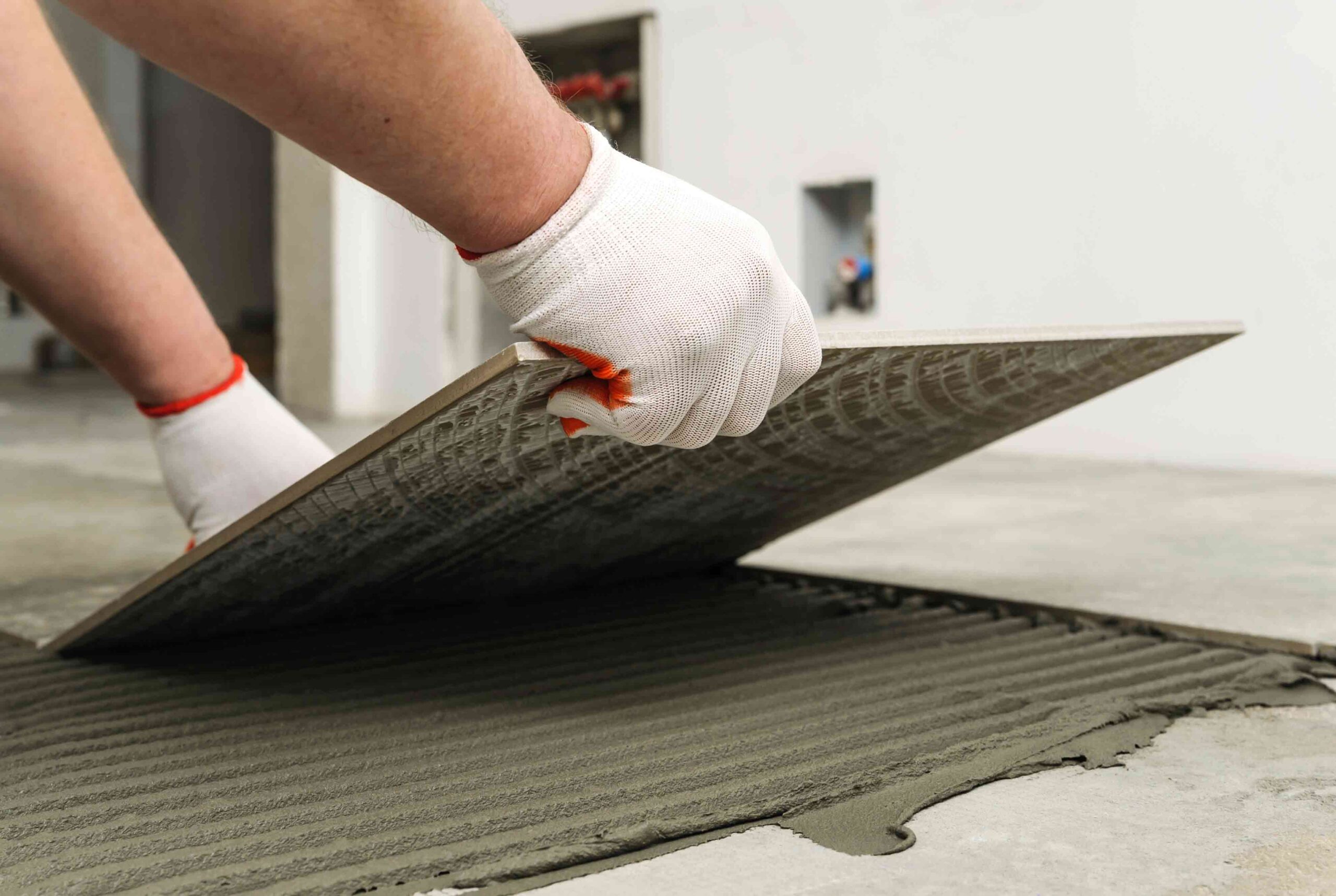
Back-buttering and proper thinset coverage might sound technical, but they're fundamental to installation durability. I ensure 95%+ thinset coverage on every tile, which means applying thinset to both the substrate and the back of the tile for large format installations. This eliminates hollow spots that can lead to cracks when the tile is subjected to pressure or impact.
Accounting for Massachusetts Climate Conditions
Here's something specific to our region that many installers overlook: expansion joints are critical in Massachusetts because of our extreme temperature fluctuations. We experience temperature swings from -5°F winters to 95°F summers, which causes building materials to expand and contract significantly.
Without proper expansion joints at transitions and in large tile fields, this movement has nowhere to go. The result is tile tenting—where tiles literally pop up from the substrate as they expand against each other. I've seen this happen in both floor and wall installations where expansion joints were skipped to save time.
The most common installation failures I see when called for repairs include:
Inadequate waterproofing leading to subfloor rot and mold
Missing expansion joints causing tile tenting and cracking
Thin thinset application creating hollow tiles that crack under pressure
Installing tile before substrate has properly cured, leading to bond failure
Using wall tile on floors or vice versa due to durability mismatches
Industry statistics show that proper waterproofing and substrate prep can extend tile installation lifespan by 200-300%. That's the difference between a bathroom that needs replacement in 7 years versus one that's still perfect after 20 years.
What the Detail-First Mindset Looks Like in Real Tile Installation Projects
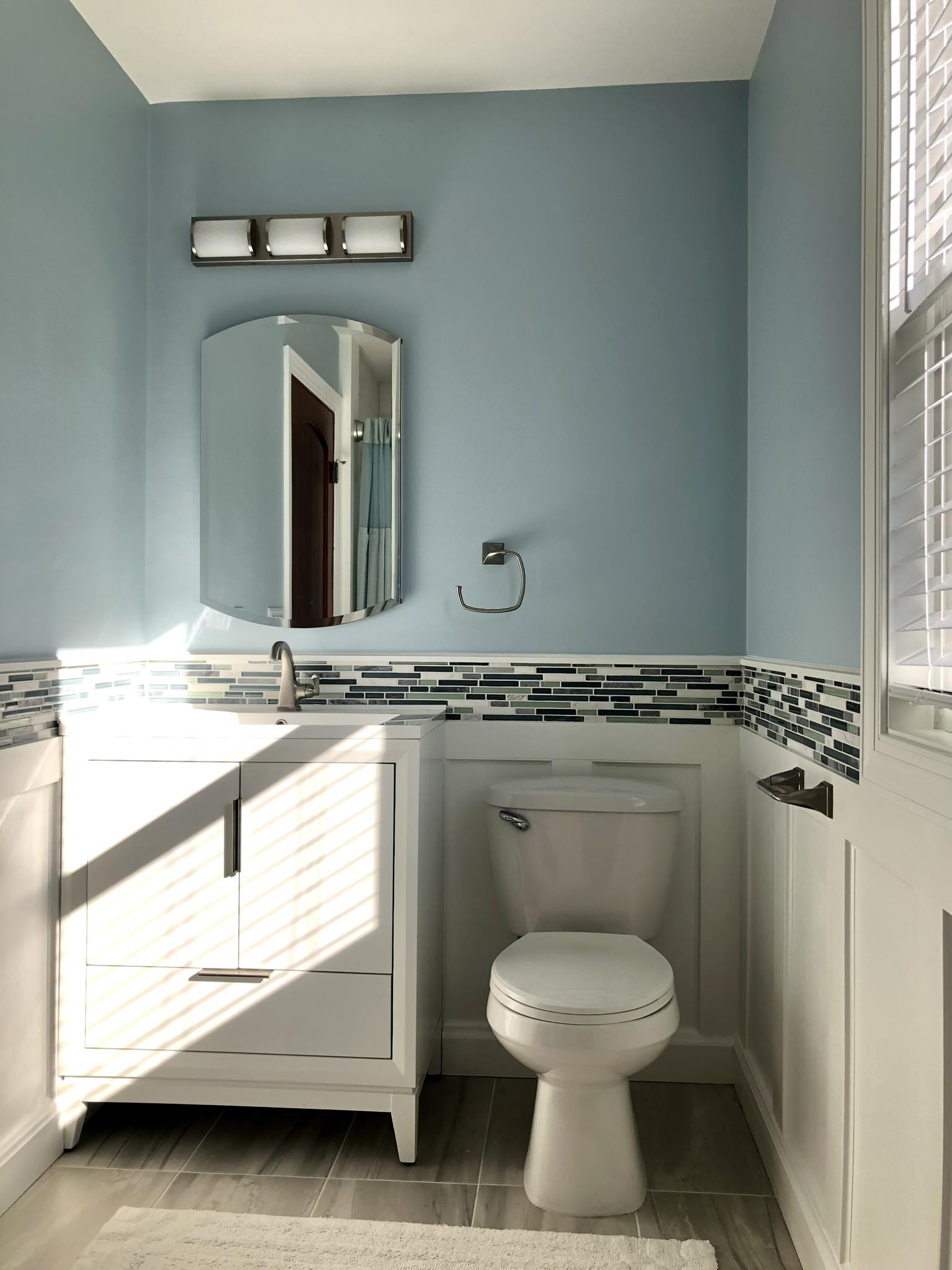
The artisan mindset is fundamentally about obsessing over details that most people won't consciously notice but will subconsciously feel. When everything aligns properly and details are executed with precision, spaces feel refined and intentional rather than rushed or haphazard.
Let me share some specific examples of detail-oriented decisions I make on every project. I align grout lines with cabinet edges, door frames, and other architectural features so that everything feels coordinated rather than coincidental. When tile patterns run past cabinetry without aligning to its edges, it creates subtle visual tension that makes the space feel less cohesive.
Planning Before Execution
Pattern centering is another critical detail. When I'm working on a feature wall or shower wall, I ensure that the tile pattern is centered on that focal point rather than starting from a corner and hoping it works out. This might mean slightly adjusting layouts or using different cut tiles in less visible areas, but the result is a focal point that feels balanced and intentional.
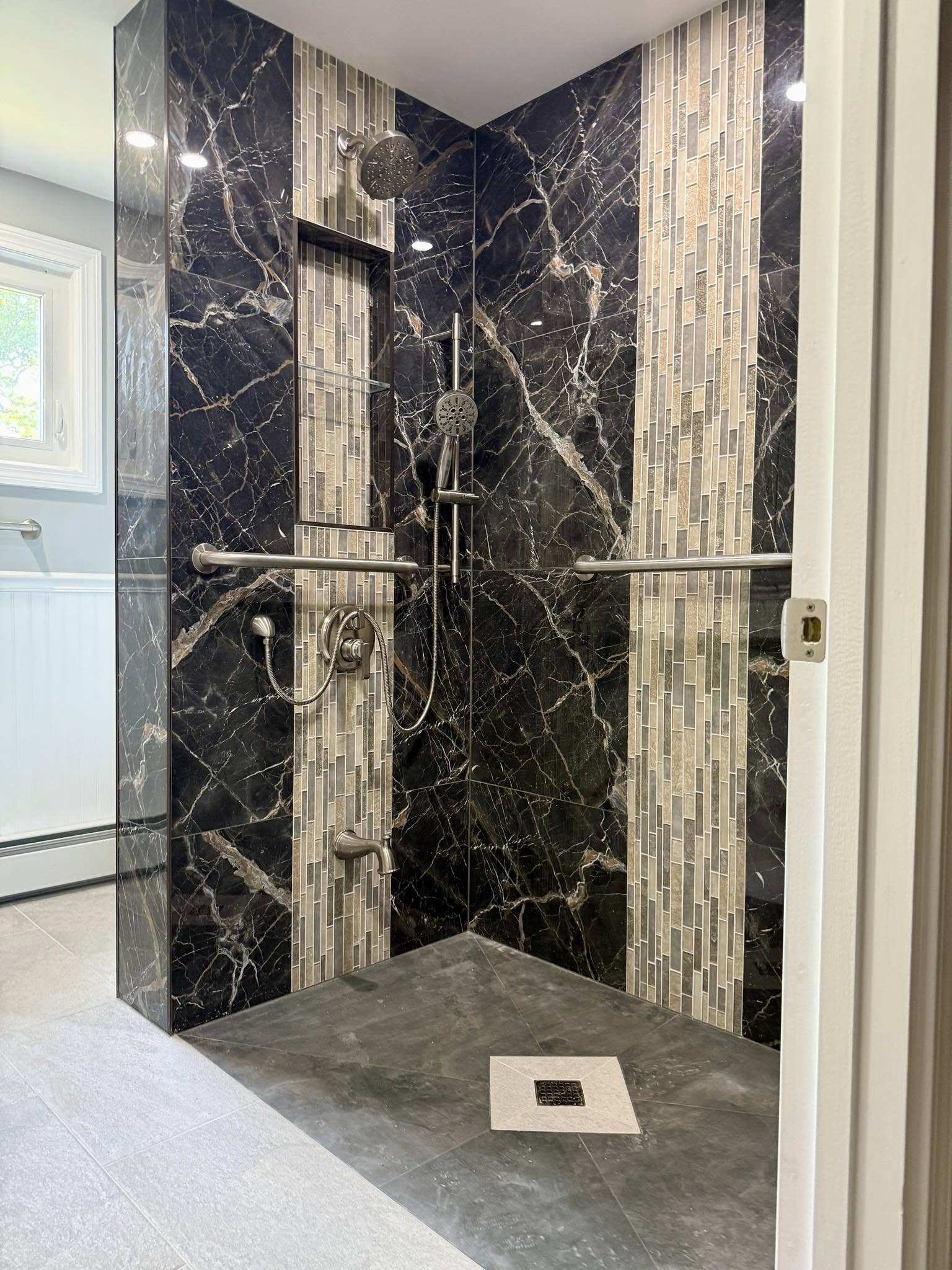
For shower niches and built-in shelves, I plan shelf heights to align with tile courses rather than cutting through patterns. This requires coordination during the framing phase, but it results in a dramatically cleaner appearance where niche edges land on grout lines rather than bisecting tiles.
Even grout color selection deserves careful consideration. I guide homeowners toward grout colors that enhance the tile rather than distract from it. Sometimes that means matching closely for a seamless look, and sometimes it means deliberate contrast to emphasize the tile pattern—but it's always an intentional choice.
The planning phase typically consumes 20-30% of my total project time. I'm ensuring layout is finalized, materials are correct, substrate is properly prepared, and everyone understands the installation sequence. This front-loaded investment prevents mistakes and ensures everything is right before setting the first tile.
This contrasts sharply with the rush-to-install approach where work begins immediately without layout planning. The installer might save a few hours upfront, but the result often includes awkward cuts in visible locations, patterns that don't align with architectural features, and a general lack of visual refinement.
The Invisibility of Exceptional Craft
Here's an interesting observation from years of professional tile installer Massachusetts work: clients rarely notice perfect tile installation. What I mean is that when everything is executed properly, it just looks "right"—nothing draws attention or looks off. But they absolutely notice when something isn't quite correct, even if they can't articulate what's bothering them.
That's actually the goal—the invisibility of craft. I want my work to feel so natural and well-executed that it doesn't draw attention to the installation technique but rather allows the material and design to shine.
I hold myself to a personal standard that if a grout line or cut doesn't meet my expectations, I remove and redo it, even if the client would never notice the issue. That's not about perfectionism for its own sake—it's about professional pride and ensuring that I can stand behind every installation with complete confidence.
Why Experience Level Dramatically Impacts Your Tile Installation Outcome
There's a dramatic difference between what an installer understands after one year of experience versus five years versus ten-plus years of daily tile work. Tile installation is one of those trades where experience directly correlates with measurable quality differences because the work involves so many variables and potential complications.
In the first year or two, installers are learning fundamental techniques—how to mix thinset to proper consistency, how to achieve adequate coverage, how to cut tiles accurately. They can complete basic installations, but they're following procedures rather than truly understanding why those procedures matter.
Pattern Recognition and Problem-Solving Skills
By year five, installers have encountered enough different situations to start developing pattern recognition. They've seen various substrate conditions, handled different tile types, and dealt with enough complications to anticipate issues before they occur. This is where efficiency and quality both start improving significantly.
At ten-plus years of experience, artisan experts have seen hundreds of potential problems and have developed comprehensive problem-solving skills. We don't just know the standard procedures—we understand how to handle the unexpected situations that arise on real job sites rather than in ideal conditions. Old homes, out-of-plumb walls, uneven subfloors, mixed materials, and previous renovation mistakes all require adaptive thinking that only comes with time and repetition.
This level of experience allows an artisan tile expert to make informed decisions in the moment—adjusting layouts, modifying prep methods, or changing installation strategies to suit the reality of the space rather than forcing a one-size-fits-all approach. That adaptability is what prevents costly mistakes and ensures consistent results across every project.
Less experienced installers may follow instructions correctly but struggle when conditions deviate from the textbook scenario. Experienced artisans understand the why behind every step, which allows them to adjust intelligently without compromising quality or durability.
Why Hiring a Tile Artisan Expert Protects Your Home’s Long-Term Value
Tile isn’t just a decorative finish—it’s a structural surface that must withstand moisture, temperature changes, foot traffic, and daily use. When installed correctly, tile can last for decades and significantly enhance a home’s resale appeal. When installed poorly, it can become a liability.
In Massachusetts homes especially, improper tile installation often leads to:
Water intrusion behind walls or under floors
Mold growth from inadequate waterproofing
Cracked grout or tiles due to movement and expansion
Costly tear-outs and reinstallation within a few years
A tile artisan expert mitigates these risks by treating tile installation as a system, not a surface. Every decision—from layout planning to material pairing to expansion joint placement—is made with long-term performance in mind.
This is why artisan tile work is best viewed as an investment, not an upgrade expense. It protects the structure of your home while delivering a refined, high-end appearance that holds its value.
How to Tell If You’re Hiring a True Tile Artisan Expert

Before hiring a tile professional, ask questions that reveal how they think—not just what they charge.
A tile artisan expert will be able to clearly explain:
How they plan layout and determine starting points
What waterproofing system they use and why
How they handle expansion and movement in Massachusetts climates
What prep work is required for your specific substrate
How long the installation should take and why rushing is risky
Look for someone who talks confidently about preparation, planning, and long-term performance—not just tile patterns and pricing.
Portfolio photos should show close-up details: clean outlet cuts, consistent grout lines, crisp corners, and balanced layouts. These details reveal far more than wide-angle shots ever could.
Most importantly, trust the consultation process. An artisan educates, advises, and sometimes even talks you out of choices that won’t perform well. That honesty is a sign of true professionalism.
Final Thoughts: Choosing the Right Tile Installation Services in Massachusetts
The difference between standard tile installation and artisan-level craftsmanship isn’t always obvious on day one—but it becomes undeniable over time. Straight grout lines, proper waterproofing, balanced layouts, and durable installations don’t happen by accident. They’re the result of experience, planning, and an uncompromising attention to detail.
When you choose a tile artisan expert, you’re choosing confidence—confidence that your tile will look right, perform properly, and last for decades in Massachusetts conditions.
Ready to Work With a Tile Artisan Expert?
If you’re planning a bathroom renovation, kitchen backsplash, or custom tile project in Shrewsbury or anywhere in Massachusetts, working with an experienced tile artisan ensures your project is done right the first time.
At Trimworks Co, every installation is approached with a detail-first, craftsmanship-driven mindset—because the best tile work doesn’t just look good today, it holds up for years to come.
Schedule a consultation today and experience the difference true tile craftsmanship makes.
